AGP Executive Report
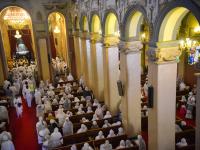
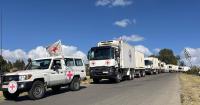
Last update: 12 hours agoOromia Attacks: Ethiopia’s Orthodox Church says at least 60 people were killed in attacks on communities in Shirka, Oromia, on Oct. 20 and 24; homes were burned and residents fled. Regional officials blamed a new rebel coalition, which includes the Oromo Liberation Army, but responsibility remains disputed. Border Clashes: Fighting between Somali and Oromia forces around Moyale has killed at least nine people and displaced thousands, including people who fled into Kenya. The violence has spread to other districts, prompting Kenya to reinforce its border. Nile Diplomacy: Ethiopia called for cooperation on shared rivers at its Water and Energy Week, while Egypt’s President Abdel Fattah al-Sisi warned that Cairo’s Nile water share must not be compromised and urged consultation among basin states. Government and Partnerships: President Taye Atske Selassie met the ICRC’s Africa director, who reaffirmed support for humanitarian work with the Ethiopian Red Cross. Earlier, Prime Minister Abiy Ahmed and Ghanaian President John Mahama inaugurated the Megech irrigation project; Mahama also backed Ethiopia’s bid to host the 2028 AFCON. Political Accountability: Ethiopia’s National Dialogue Commission ended its term without publishing its 394 recommendations, leaving questions about the process’s next steps.
Note: AI summary from news headlines; neutral sources weighted more to help reduce bias in the result. Feedback is welcome. Please let us know if you have any comments or suggestions about the AGP Executive Report.
 Perspectify News